
WHAT IS DEIONIZED WATER USED FOR?
Your regular tap water has natural electrically charged ions derived from the environment, water pipes, and other sources. Generally, these ions include Iron(Fe), Sodium (Na), Copper (Cu), and Calcium (Ca). It is possible to remove these ions through the deionization process. This is one of the most critical water purification processes to make water fit for various applications.
Carbon Water Filtration: Effective Impurity Removal
Many types of impurities are present in the water that you cannot see with your naked eye. These impurities degrade the quality of water and make it unsuitable for use. You need to remove them from the water feed before using it for various commercial and industrial applications.
Many commercial water treatment systems help in eliminating specific types of impurities and make water suitable for different applications and industries. One among these is carbon water filtration.
Enhance RO System Efficacy: Deionization Tips
Water purification treatments remove impurities and contaminants from a water supply that can impact the efficiency of commercial and industrial operations or leave mineral deposits inside the machine parts and on equipment. Many applications such as medical, food and beverages, pharmaceutical, and others demand purified water.
Different industries need water purification at different levels and for various purposes. Using the latest water treatment systems in combination, you can accomplish any level of feed water purification to enjoy enhanced efficiency and productivity of your business processes.
Maximize Comfort: Benefits of a Water Softener
When running a business, you need to consider many things to ensure the security of your investment. Among these things is ensuring the integrity, maintenance, and optimal functions of your business’s infrastructure, including equipment and building. The hard water can have potential adverse effects on your machines and building structure. Water softening is an effective water treatment method that prevents industrial and commercial headaches associated with the use of hard water.
Optimize RO System: Troubleshoot Slow Water Flow
Reverse Osmosis (RO) system is an excellent way to purify water in various commercial settings. Like any other complex water purification system, the RO system has several parts that work in harmony to provide you with an uninterrupted water supply. Sometimes these parts fail to work due to various reasons.
Untreated irrigation water can destroy your soil, plants, and equipment – along with your reputation and your bottom line.
It doesn’t matter what you grow, where you grow it, or how you grow it… treated irrigation water will protect your soil, plants and equipment – along with your reputation and your bottom line.
1. Treated irrigation water will improve soil conditions and equipment uptime.
Whether you’re drawing from a well, a municipal system, or a body of water, your irrigation feed contains harmful elements – which begin causing trouble and costing money as soon as they enter your system. A well-engineered treatment system keeps these sediments, Total Dissolved Solids (TDS), excess minerals and other contaminants out of your irrigation system, so they can’t damage equipment, or degrade soil quality.
Purifying Water: A Clear and Effective Approach
Step #1: Find out which USP regulations you need to meet.
If you use ultrapure water, you’re faced with a bewildering array of constantly-evolving regulations, requirements and standards that are enforced by everyone from state and federal governments to customers and trade associations. And even a minor infraction can result in anything from a costly fine to lost income, or even a complete shutdown.
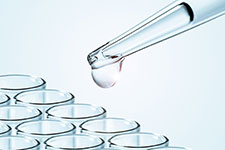
USP Water Testing
Keeping up with it all is, literally, a full-time job. Odds are, however, that it’s only one of your many responsibilities.
Optimize Water Dialysis: Improve Efficiency & Cost-effectiveness
If you’re using chemical disinfection technologies for your dialysis water and bicarbonate loops, there’s a new system you’ll want to consider: Ozone Disinfection System.

Human kidney cross section
OZONE is the newest and most effective way to disinfect. It is an FDA 510K / ISO registered medical device that meets all IEC UL standards and offers six very big operational advantages over other current disinfection technologies.